
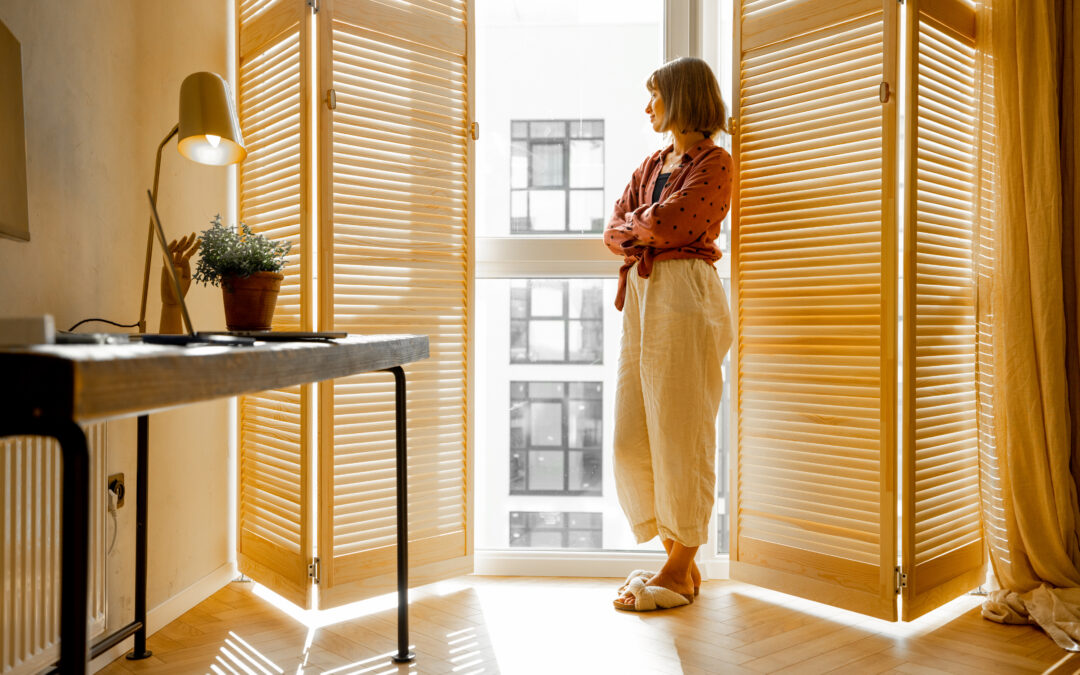
Quick answer: The biggest window treatment trends for 2026 center on two shifts—sustainable materials like bamboo, jute, and woven wood shades, and smart home integration through motorized and automated blinds. Homeowners are moving away from heavy, ornate treatments toward clean lines, energy-efficient coverings, and natural textures that complement modern Arizona interiors.
The way we dress our windows says a lot about how we live. And heading into 2026, Arizona homeowners are making a clear statement: function and sustainability matter just as much as style.
At Blind Brothers Arizona, we’re seeing a noticeable shift in what people want from their window treatments. Gone are the days of purely decorative choices. Today’s homeowners want coverings that work with their smart home systems, reduce their energy bills, and reflect a more conscious approach to materials. The good news? The options have never been better.
Here’s a breakdown of what’s trending—and what’s fading—in 2026.
What Are the Biggest Window Treatment Trends for 2026?
Sustainable Materials Are Taking Center Stage
The push toward eco-conscious living has made its way into interior design, and window treatments are no exception. Natural materials like bamboo, jute, and woven wood shades are among the fastest-growing choices for Arizona homeowners looking to bring warmth and texture into their spaces without compromising on environmental values.
Woven wood shades, in particular, strike a balance that’s hard to beat. They filter light beautifully, add organic texture to a room, and are made from renewable resources. Bamboo shades offer similar benefits with a slightly more structured look—ideal for clean, modern interiors.
Wood blinds remain a strong choice too, especially in living rooms and home offices. Real wood brings a timeless quality that synthetic materials still struggle to replicate, and when sourced responsibly, it aligns with the sustainable values many homeowners now prioritize.
What’s out: Plastic and PVC-heavy treatments are losing ground. Homeowners are increasingly aware of the environmental footprint of synthetic materials, and the market is responding.
Smart Home Integration Is No Longer a Luxury
Motorized shades were once considered a premium upgrade. In 2026, they’re becoming a standard expectation—especially in new builds and renovated Arizona homes that already run on smart home platforms.
The appeal is straightforward. Motorized shades integrate with systems like Amazon Alexa, Google Home, and Apple HomeKit, allowing homeowners to control their window coverings by voice, schedule, or smartphone. For large windows or hard-to-reach skylights, this is particularly practical. For households with elderly residents or people with mobility limitations, it’s genuinely life-changing.
Smart automation takes this further. Shades can be programmed to respond to temperature, time of day, or sunlight levels—automatically closing during Arizona’s peak afternoon heat to reduce cooling loads, and opening again as the sun drops. This kind of passive temperature management directly supports energy efficiency, which matters in a state where air conditioning runs hard for much of the year.
What’s out: Manual corded treatments are being phased out both by consumer preference and, increasingly, by safety regulations. Cordless and motorized options are the clear direction forward.
Clean Lines and Architectural Customization
Maximalist window treatments—think heavy valances, elaborate swags, and layered curtains in bold patterns—are giving way to something quieter and more intentional. The 2026 aesthetic leans toward clean lines, minimal hardware, and treatments that feel like a natural extension of the architecture rather than an afterthought.
This doesn’t mean windows are being left bare. Layered drapery is still very much in style, but the execution has changed. Sheer panels paired with a simple roller or cellular shade creates depth and light control without visual clutter. The layers work together rather than competing for attention.
Architectural customization is also a growing priority. Homeowners with specialty windows—arched frames, angled skylights, unusually wide openings—are seeking treatments tailored precisely to those dimensions. Off-the-shelf solutions often fall short here, and the demand for custom-fitted window coverings reflects a broader interest in interiors that feel considered and cohesive.
What’s out: Overly ornate treatments with decorative hardware and excessive layering. Today’s design sensibility favors restraint.
Energy-Efficient Coverings for Arizona’s Climate
Arizona’s sun doesn’t negotiate. West- and south-facing windows can turn a comfortable room into an oven by mid-afternoon, and any window treatment worth considering in this climate needs to account for that.
Cellular (honeycomb) shades continue to be a go-to recommendation for energy efficiency. Their air-trapping cell structure acts as insulation, slowing heat transfer through the glass. For homes with older windows, the impact can be significant.
Solar shades are equally well-suited to Arizona’s conditions. By blocking solar radiation before it penetrates the glass, they reduce heat gain without sacrificing the view—a meaningful advantage for homes that overlook mountain ranges, golf courses, or desert landscapes.
According to the U.S. Department of Energy, windows are responsible for 25–30% of a home’s heating and cooling energy use. Pairing smart automation with energy-efficient materials addresses that directly. A motorized solar shade that closes automatically at 2 PM on a summer afternoon is doing real work on your behalf.
What’s out: Lightweight, unlined treatments that offer no meaningful insulation. Aesthetics alone aren’t enough anymore.
How Should Arizona Homeowners Approach These Trends?
Trends are useful as a reference point, but they shouldn’t override what actually works for your home. The best window treatment decisions start with the room—its orientation, how light moves through it during the day, what you need from it functionally, and how it connects to the rest of your living space.
A west-facing bedroom in Phoenix calls for different thinking than a north-facing home office in Scottsdale. Sustainable materials that look stunning in a living room may not be the right call for a high-humidity bathroom. And smart home integration, while increasingly accessible, requires some upfront planning to ensure compatibility with your existing systems.
The 2026 trends—natural materials, smart automation, clean design, and energy efficiency—aren’t just aesthetically appealing. They reflect a more thoughtful approach to how we use and inhabit our homes. That’s worth taking seriously.
Make Your Windows Work Harder in 2026
The right window treatments don’t just follow trends—they solve real problems. They keep your home cooler, protect your furniture from UV damage, give you privacy without sacrificing light, and connect seamlessly to the systems you already use.
Blind Brothers Arizona helps homeowners across the state navigate these decisions with clarity. Whether you’re exploring motorized shades for a smart home setup, searching for sustainable woven wood options, or need custom treatments for architectural windows, our team brings hands-on expertise to every consultation.
Contact Blind Brothers Arizona today to schedule your free in-home consultation and find the window treatments that are right for your home—not just for 2026, but for the long term.
Frequently Asked Questions
What are the most popular sustainable window treatment materials for 2026?
Bamboo, jute, and woven wood shades are among the top sustainable choices heading into 2026. These materials are made from renewable resources, offer natural light-filtering properties, and complement modern interior design aesthetics—making them a practical and environmentally conscious option for Arizona homeowners.
Are motorized shades compatible with smart home systems like Alexa or Google Home?
Yes. Most motorized shades available in 2026 are designed to integrate with major smart home platforms, including Amazon Alexa, Google Home, and Apple HomeKit. This allows homeowners to control window coverings by voice, app, or automated schedule—including programming shades to close during peak heat hours.
What window treatments are best for reducing heat in Arizona homes?
Cellular (honeycomb) shades and exterior solar shades are the most effective options for heat reduction in Arizona. Cellular shades insulate by trapping air within their layered cell structure, while solar shades block solar radiation before it passes through the glass. According to the U.S. Department of Energy, windows account for 25–30% of home heating and cooling energy use, making these treatments a meaningful investment.
What does “layered drapery” mean in 2026 interior design?
Layered drapery in 2026 refers to combining two or more window covering types—typically a sheer panel for diffused light and a roller, cellular, or wood shade for privacy and light control. The difference from older layered styles is the restraint: modern layering favors clean lines and complementary neutrals rather than ornate, heavy combinations.
How do I choose between woven wood shades and wood blinds?
Choose woven wood shades if you want a softer, more organic look with natural light filtering and a relaxed texture. Choose wood blinds if you prefer a more structured, adjustable option with precise light control and a cleaner architectural finish. Both are strong sustainable choices—the right one depends on the room’s function and the aesthetic you’re working toward.
Are cordless and motorized treatments replacing corded blinds?
Yes. Corded treatments are being phased out across the industry due to both consumer preference and evolving safety standards, particularly in homes with young children. Cordless and motorized options are now the clear standard, offering cleaner aesthetics and greater ease of use.